
Learn about City of Madison, Wisconsin including our News & Press Releases, Projects, and Team.
Talk to us
Have questions? Reach out to us directly.
Learn about City of Madison, Wisconsin including our News & Press Releases, Projects, and Team.
About City of Madison, Wisconsin
- Population as of January, 2024
- 300,153
- GO Bond Rating as of August 2025
- Aaa
- Long Term Debt Outstanding as of 9/1/2026
- $976,985,500
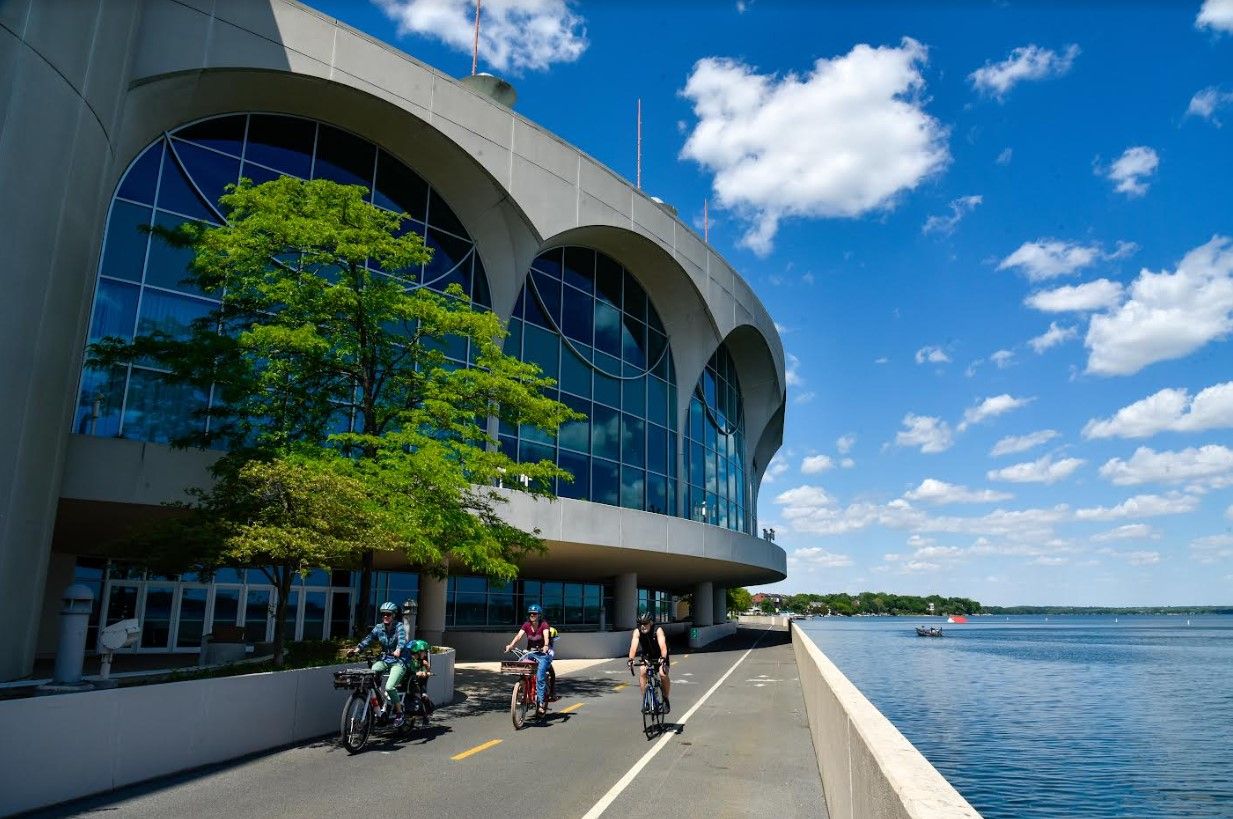
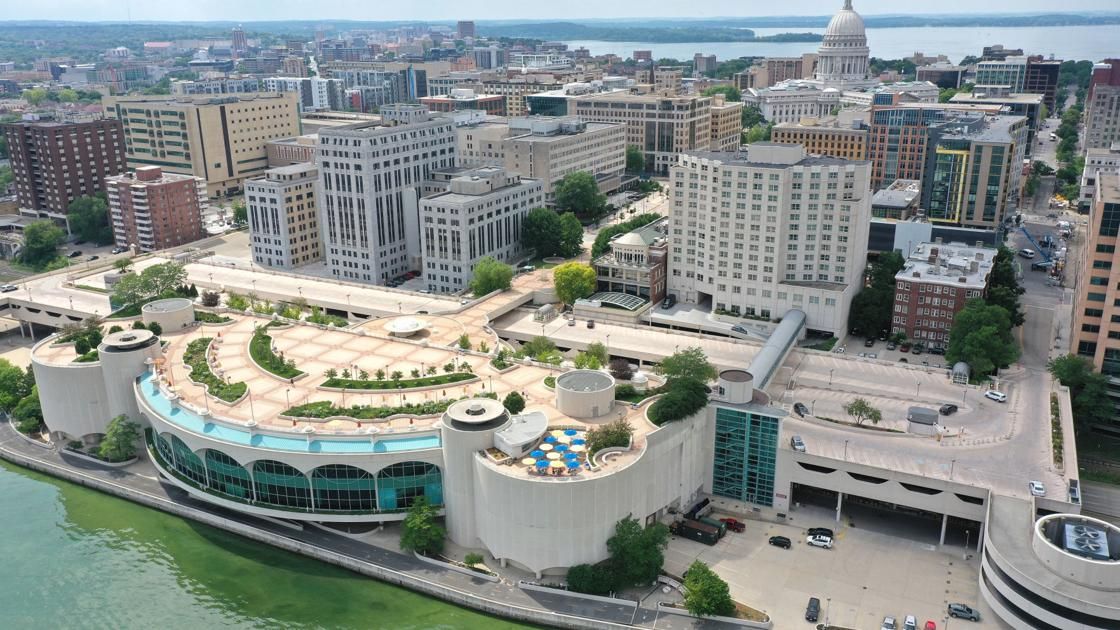
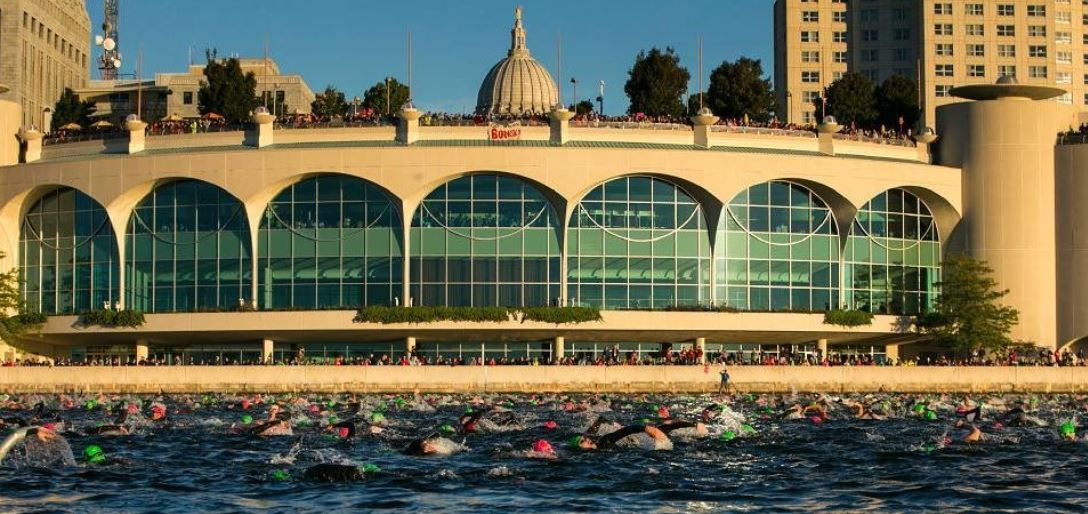
Consistently ranked one of the best places to live in America, Madison offers all the amenities of a large city without all the hassle. Not only is Madison the state capital and home to the state flagship university, it is a thriving and growing city that invests in talent, research, jobs, and culture. Nestled between two lakes, with a total of five lakes within the city’s vicinity, Madison is a naturally beautiful city with a variety of outdoor activities for every season. The city facilitates a range of cultural events year-round and takes advantage of its many parks for art, food, and musical festivals.
To learn more, please visit the City website here.
Image Gallery



News
"The City of Madison’s 2027 Capital Budget and five-year Capital Improvement Plan (CIP) outline infrastructure investments that uplift our entire community and are essential for a thriving city. The funding in this proposal provides residents with housing and transportation options so they can decide what works best for their families. It underpins our local economy and attracts innovative employers and businesses. It also furthers our goals to build a more resilient city. And by investing wisely in our facilities, it allows city staff to more efficiently provide critical services that we all depend on. My 2027 Executive Capital Budget proposal(opens in a new window)PDF reflects years of strategic planning that is firmly grounded in the values and aspirations of the people of Madison. It’s my honor to present it to the community and their elected representatives on the Madison Common Council for approval.
The public will have multiple opportunities to weigh in on the Executive Capital Budget, as well as my 2027 Executive Operating Budget, which focuses on services, staffing, and programs and will be introduced in October. Both budgets will have public hearings and be considered by Alders, first at the Finance Committee and then before the full Council.
The City of Madison continues to be fiscally healthy thanks to our commitment to supporting essential services and infrastructure improvements, conservative financial management, and a strong regional economy that benefits the entire state. This is reflected in the City’s Triple-A bond rating from Moody’s, which ensures we have the lowest possible borrowing costs and results in millions in savings over the life of a bond. It’s a delicate balancing act to prepare for the needs of a growing city while keeping our debt payments, felt in the operating budget, at a sustainable level.
Due to cutbacks in funding from state and federal governments, the burden of maintaining critical infrastructure is falling too heavily on local property taxpayers. When coupled with high inflation, local governments simply cannot keep up. Just as our residents are experiencing, the high costs of construction materials are also hitting the City’s bottom line. We need bipartisan policies that invest in the American people and the places they call home, rather than starting wars and tariff fights abroad. There is nothing controversial or political about effective stormwater infrastructure, roads free of potholes, or adequate facilities to provide emergency services. In fact, deferring these investments comes with real costs to our quality of life, our economy, and our health.
With this in mind, my Executive Budget is $90.6 million lower in general obligation borrowing, supported by the general fund, than what was originally requested by city agencies. To be clear, the original agency requests are for projects that are long overdue and would benefit the entire city. My administration will continue to seek out both opportunities for increased efficiency and every available opportunity for outside investments in infrastructure. I’m proud that since I was first elected, we have secured more than $750 million in federal and state funding, which has helped fund critical infrastructure while lessening the impact on local taxpayers. I’m hopeful that these opportunities will become more frequent in the future, and City staff are doing the planning work so we are ready to capture these funds if and when they become available. Because when Madison is successful, that success is shared far beyond our city limits.
In the meantime, the goals of our five-year capital improvement plan are focused on creating more homes, saving future operating budget dollars by modernizing a few key facilities, and investing in public safety.
Continuing Investment in Affordable Housing
Like many growing cities across the country, Madison needs to diversify the type of homes available to existing and future residents. We will continue to confront this challenge head-on and use all tools at our disposal.
One way we are doing so is by creating more housing. The Triangle Redevelopment will nearly quadruple the number of homes for working families at that location and, because of sustainability features, renters will see long-term savings on their utility bills. This ambitious, generational investment in social housing is in addition to the $87.8 million we are including in the affordable housing fund and will help meet our goal of creating 15,000 more homes by 2030. We are doing everything we can as a local government to bend the curve on the rising costs for renters and first-time homeowners. Despite our efforts, the consequences of federal government disinvestment are felt acutely by cities like Madison. Like many in our community, I’m deeply frustrated by the affordability crisis and the associated costs of mitigating the problem instead of solving it. We need support at the state and federal level to reach long-term stability in the housing market and I’m eager to work in partnership with these entities to make it happen.
Efficient City Operations
The upgraded Streets facility on South Point Road on the far west side is an excellent example of how capital spending can save taxpayers millions in future operating budgets. This facility will cut hundreds of hours per year in the travel time and associated fuel costs it takes for both trash and recycling pickup, as well as snow and ice removal for a large portion of the city. In this capital budget, there is a modest amount for remodeling the Streets Division’s Badger Road facility to complete the final transition steps of the South Point Road project and create a permanent home for Parking Enforcement. We are also taking preliminary steps toward finding a long-term solution to updating the outdated Traffic Engineering facility on Sayle Street. Evaluating the long-term needs of our city and potential operations savings will be at the forefront of this process. Additionally, the City’s ambitious Park & Badger redevelopment remains on track. This project is slated to replace the outdated Fire Station 6 with a modern facility, create a new public health clinic, and fund hundreds more affordable homes. It has already created space for Madison College to build a new childcare training facility that will increase the number of providers in our area.
Public Safety and Body-Worn Cameras
Also included in my Executive Budget is funding to launch a body-worn camera program for the Madison Police Department. Chief John Patterson has indicated this is his number one priority for his department. Throughout this year, many alders have also communicated their support for body-worn cameras. Even before the recent death of a community member at the hands of the police brought this issue to the forefront of public attention, this item was included in my Executive Budget because of the clear support from the Council and Chief Patterson’s efforts to lessen the significant operating budget impact needed to implement this program. Body-worn cameras are not the only police accountability measure that Madison needs to consider in the weeks and months ahead. However, I think it’s time to take a step forward on this long-debated equipment decision, which is why I included funding for this technology in this year’s capital budget.
Maintaining Core Infrastructure
The 2027 Executive Capital Budget prioritizes projects in the following areas:
- $42.1 million for street reconstruction, including the redesign of Regent Street to make it more pedestrian- and business-friendly;
- $17.9 million for improvements to our parks system, including investments in playgrounds, park facilities, and continuing work on the Madison Lakeway project;
- $12.6 million for water mains to ensure strong, well-maintained infrastructure for drinking water and public safety;
- $8.7 million for pedestrian and bicycle enhancements, including improvements of Stoughton Road and the West Towne Path, to build on the over 100 miles of trails and safe sidewalks I’ve championed, which help make Madison a comfortable, safe place to live;
- $7.9 million for flood mitigation and stormwater system improvements, enhancing the City’s resilience and building on the extensive flood mitigation work the City has been doing;
- $5.4 million to help complete the multi-phase reconstruction of John Nolen Drive and accompanying infrastructure;
- $3.3 million for traffic safety improvements to city streets.
I want to thank city staff for their thoughtful and creative work during this year’s Capital budget process. I’m looking forward to the process of briefing the community and the Common Council on this budget, and to seeing what amendments my Council colleagues have before it is finalized in November. "
— Mayor Satya Rhodes-Conway
The Madison Common Council has overwhelmingly approved a capital and operating budget for 2026. The adopted City Budget has the lowest tax rate in at least 40 years. The City’s portion of property tax bills will increase by around $2.50 a month or just $30 annually on an average valued home. This is below the rate of inflation and nearly $5 million below the maximum allowed under the state’s levy limit.
The 2026 Operating Budget includes new funding for several key priorities, including:
- An unprecedented investment in homeless services with $1.7 million in support for the new homeless shelter.
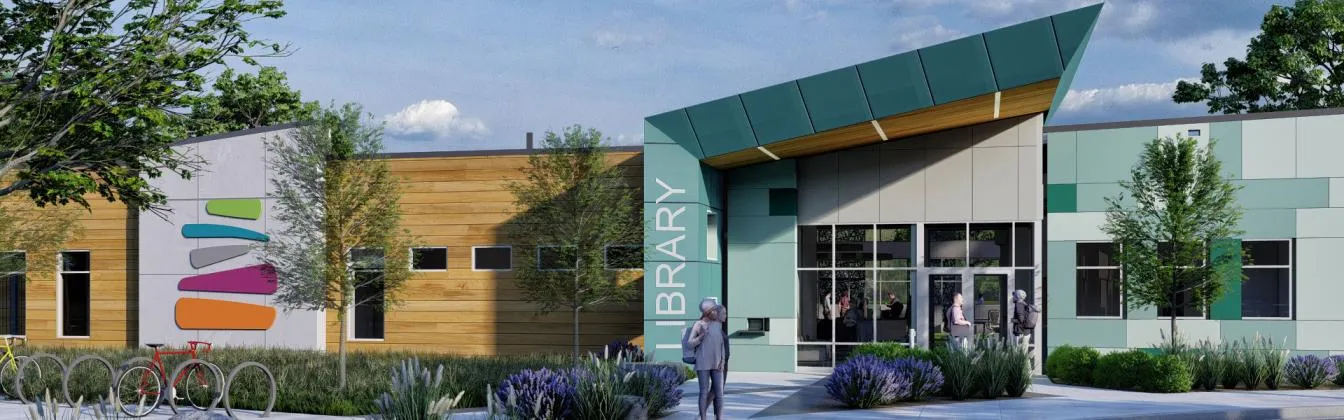
- Staffing for the new Imagination Center, which is scheduled to open in the fall of 2026. This $1.2 million investment will be phased in over two years.
- A 10th ambulance company in the Madison Fire Department. This is needed to maintain our current response times while the City’s population increases by nearly 5,000 new residents each year. The total annual cost will be $1 million starting in 2027.
The 2026 Capital Budget continues the progress being made to create new homes in Madison. Next year, $17.5 million will be available to fund affordable housing. Additionally, this budget keeps the historic upgrade to the Madison Community Development Authority’s Triangle public housing development on track. Once the project is completed, up to 1,200 new apartments will be built, nearly quadrupling the number of homes at the Triangle site.
These efforts will add to the progress the community has already made to help stabilize the housing market. Since January 1st, more than 1,900 new homes(link is external) have been built in Madison and another 4,690 are currently under construction. This focused effort on housing will help ensure a future where everyone in Madison has housing options and can decide what housing type and neighborhood is best for their family.
Statement from Madison Mayor Satya Rhodes-Conway:
"I want to thank the Madison Common Council for adopting the 2025 budget and for their support making strategic investments in our City’s future. This was not an ordinary budget year, and it required decision-making by everybody in our community. I appreciate the Council leading public engagement sessions throughout the budget process to help inform voters about the City budget and the funding referendum once it was put on the ballot.
I also want to extend my gratitude to Madison residents for strongly supporting City services with your vote this November. Thank you! There are still challenges ahead but with the breathing room the referendum provides, Madison is in a much better position to continue our work towards building a healthy, equitable, and thriving City for all who call it home.
The 2025 budget keeps investing in what’s working in Madison. This budget supports the growth of our CARES team, which has been so successful that neighboring cities are looking for opportunities to expand the program into their communities. It advances the goal of making The Imagination Center at Reindahl Park a reality; we have wonderful library services in Madison and the Imagination Center will help us ensure all neighborhoods have ready access to those important resources. I’m also pleased that we are continuing to invest in affordable housing at record levels while keeping our city finances strong and our debt at manageable levels. This budget also makes important infrastructure investments to keep us moving safely through the city, like replacing the aging bridges on John Nolen Drive and continuing to invest in traffic safety measures as part of our Vision Zero initiative.
Madison is a growing city with a reputation for being curious, innovative, and welcoming. I’m proud that we are a community that protects our neighbors and stands up for what’s right. And I’m proud that throughout this year and via tonight’s budget vote, our spending choices have reflected those values. My heartfelt appreciation to the Council and the community."
Projects
Team

Talk to us
Have questions? Reach out to us directly.